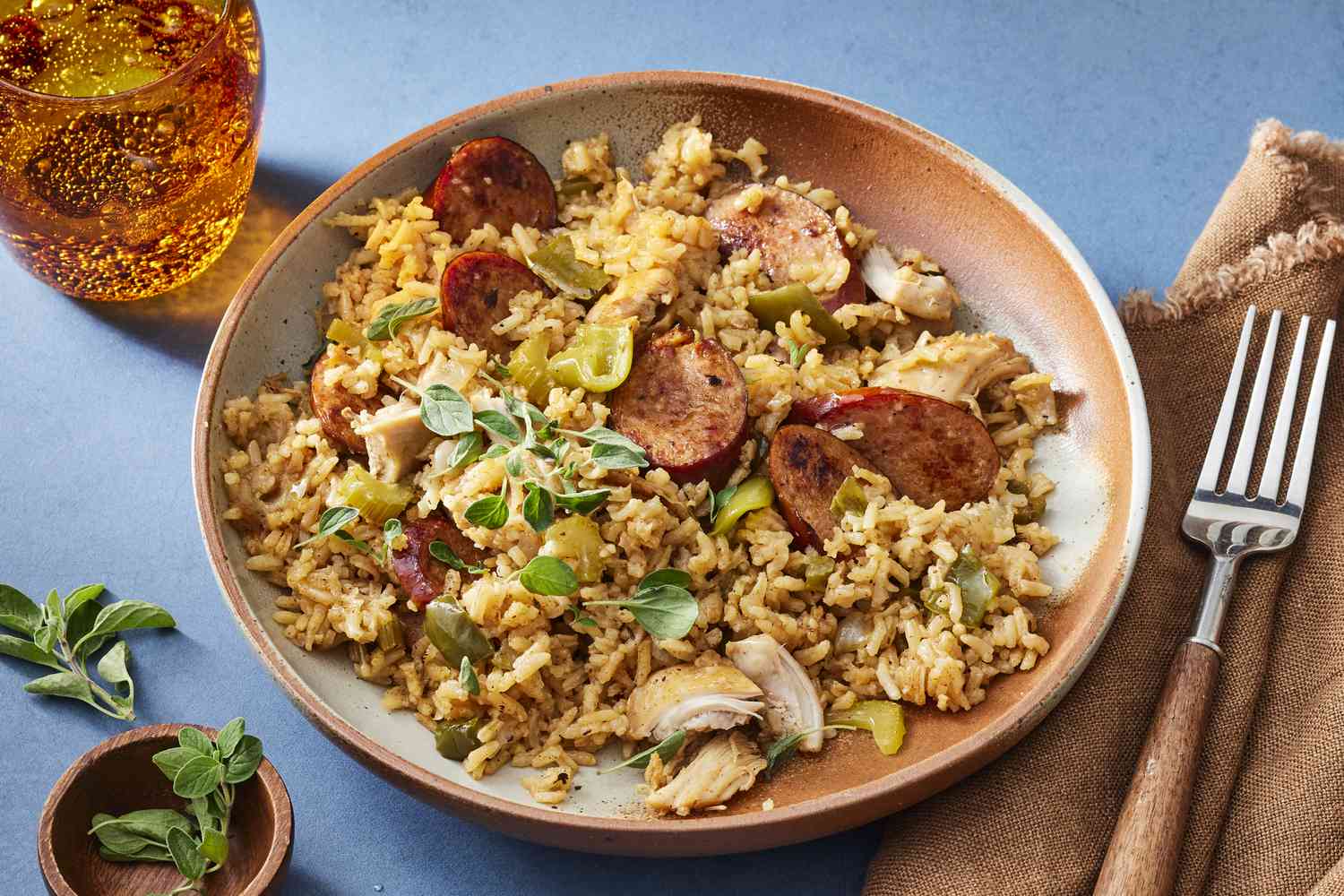
Customize Your Cajun Jambalaya: Your Smoky & Spicy One-Pot Wonder
There's something uniquely satisfying about a truly great jambalaya. It’s more than just a meal; it's a celebration of bold flavors, hearty ingredients, and the warmth of a shared plate. Imagine a single pot brimming with juicy chicken, savory andouille sausage, succulent shrimp, and perfectly cooked rice, all infused with rich Cajun spices and simmered to perfection. This isn't just a fantasy; it's the delicious reality of a well-made Cajun jambalaya.
For over a decade, a reliable jambalaya recipe has been a cornerstone for home cooks, evolving into a beloved dish cherished for its comforting, nostalgic feel and incredible depth of flavor. While the classic combination of smoky sausage, tender chicken, and plump shrimp is undeniably irresistible, the true magic of this one-pot comfort food lies in its surprising adaptability. Whether you're a seasoned chef or new to the culinary scene, this dish welcomes your personal touch, allowing you to dial up the heat, swap proteins, or introduce new vegetables, making it perfectly suited for a festive gathering or a simple weeknight dinner. And for those who appreciate efficiency, it’s remarkably simple to prepare, often coming together in under an hour, yielding fantastic leftovers that reheat beautifully.
The Heart of Louisiana Flavor: What Makes a Great Jambalaya?
At its core, jambalaya is a hearty, flavorful rice dish with roots deep in Louisiana cuisine. It’s a testament to the region’s ingenious way of blending diverse culinary influences into something entirely new and exciting. While there are variations (namely Cajun and Creole), this article focuses on the rustic, robust flavors of Cajun jambalaya, often characterized by its lack of tomatoes or a richer, deeper roux-based broth – though our focus today includes tomatoes for that beloved richness.
The hallmark of a great jambalaya is the harmony of its components: the trinity of aromatics, the punch of Cajun spices, and a medley of proteins that cook down into a flavorful, saucy rice. It’s designed to be a complete meal in one pot, minimizing cleanup and maximizing flavor. Its ability to feed a crowd while feeling both cozy and celebratory is why it remains a favorite. The secret lies not just in the ingredients, but in the layers of flavor built from browning, sautéing, and slow simmering, creating an experience that is spicy, smoky, and intensely satisfying.
Building Your Masterpiece: Essential Jambalaya Ingredients (and How to Tweak Them)
Crafting your ultimate jambalaya begins with understanding the core ingredients and, more importantly, how you can personalize each one. Here’s a breakdown of what you’ll need for a classic jambalaya recipe and ideas for making it uniquely yours:
*
The Cajun "Holy Trinity"
This foundational blend of
celery, onion, and green bell pepper creates the aromatic base for almost any Cajun dish, including jambalaya. Sautéing them until softened unlocks their sweet and savory notes.
*
Customization Tip: While green bell pepper is traditional and adds a subtle bitterness, feel free to incorporate red or yellow bell peppers for extra sweetness and a vibrant pop of color. Some even add a finely diced carrot for an extra layer of sweetness and earthy depth.
*
The Heat
A finely minced
jalapeño and a pinch of
cayenne pepper provide that characteristic kick.
*
Customization Tip: This is entirely up to your preference! For a milder dish, reduce or omit the jalapeño and cayenne. For those who crave more fire, consider adding a dash of hot sauce at the end, using a spicier pepper like serrano, or increasing the cayenne. Always taste as you go!
*
The Seasonings
A robust blend of minced
garlic, Cajun seasoning, dried thyme, and a bay leaf is crucial for the dish's signature depth and warmth.
*
Customization Tip: Choose your Cajun seasoning wisely – some blends are spicier or saltier than others. Consider making your own blend to control the salt and spice levels, incorporating ingredients like smoked paprika, onion powder, and dried oregano. Don't be shy with fresh garlic; it brings incredible aroma and flavor.
*
The Proteins
A hearty mix of
chicken, shrimp, and smoky andouille sausage is a popular choice, offering diverse textures and flavors. Chicken thighs are preferred for their tenderness and ability to hold up during simmering.
*
Customization Tip: This is where you can truly make your jambalaya shine!
*
Keep it Simple: Use just one or two proteins. Chicken and sausage is a classic and very satisfying combination.
*
Explore Alternatives: Swap in other favorites like smoked sausage (e.g., kielbasa or chaurice), pork (diced pork shoulder or country-style ribs), crab meat (added at the very end), or even vegetarian options like plant-based sausage.
*
Optimal Cooking: Brown your sausage and chicken well to develop deep flavor. Add delicate ingredients like shrimp only in the last 10 minutes of cooking to prevent overcooking and rubberiness. For a detailed guide on combining proteins perfectly, you might want to check out
The Best Jambalaya Recipe: Chicken, Shrimp & Sausage for a Crowd.
*
The Rice
Long-grain white rice is traditional, known for cooking up light and fluffy.
*
Customization Tip: While long-grain is ideal, short-grain rice can work if that's what you have, though it may result in a slightly stickier texture due to higher starch content. Brown rice is an option, but be prepared for a significantly longer cooking time and potentially more liquid. Avoid quick-cooking rice, as it won't absorb flavors as well.
*
The Liquid
Chicken stock is essential for cooking the rice evenly and infusing the dish with flavor.
*
Customization Tip: Always have extra stock on hand. If your pot starts to look dry before the rice is fully cooked, add a little more. For a richer seafood-heavy jambalaya, consider using seafood stock. Water can be used in a pinch, but it will dilute the overall flavor.
*
The Tomatoes
A can of
crushed tomatoes adds essential acidity and richness to the broth.
*
Customization Tip: Diced tomatoes can be used for a chunkier texture, or a tablespoon of tomato paste, sautéed with the trinity, can add a deeper, more concentrated tomato flavor before the crushed tomatoes are added.
*
Okra
Fresh or thawed frozen okra naturally thickens the jambalaya and adds a classic Southern touch.
*
Customization Tip: If you're not a fan of okra, you can omit it. The jambalaya will still be delicious, just slightly thinner. Another option for thickening (though less traditional in Cajun jambalaya) could be to start with a light roux.
*
Finishing Touches
A final seasoning with
kosher salt and black pepper, plus optional garnishes like chopped
green onions, fresh parsley, and lemon wedges.
*
Customization Tip: These garnishes aren't just for looks! The fresh herbs provide a burst of herbaceousness, and a squeeze of fresh lemon brightens the entire dish, cutting through the richness. Don't skip them if you want to elevate the flavor profile.
Mastering the One-Pot Wonder: Tips for a Perfect Jambalaya
Making jambalaya, despite its complex flavor profile, is surprisingly straightforward when you follow a few key steps. It's a true one-pot hero, perfect for minimizing fuss and maximizing deliciousness. For a quick and easy approach to this classic comfort dish, take a look at our
Easy One-Pot Jambalaya: Classic Cajun Comfort in Under an Hour article. Here are some essential tips to ensure your jambalaya is always a success:
*
Brown Your Proteins Properly: Sear your sausage and chicken until nicely browned before adding other ingredients. This creates a fond (the delicious browned bits at the bottom of the pot) that will become the backbone of your flavor.
*
Build Flavor Layers: After browning proteins, sauté your "holy trinity" and garlic in the rendered fat. Deglaze the pan with a splash of stock to scrape up all those flavorful bits, ensuring nothing goes to waste.
*
Don't Over-Stir the Rice: Once the rice, liquids, and seasonings are added, bring it to a simmer, then cover and cook without stirring. Constant stirring releases starch, leading to gummy rice. Resist the urge to peek too often!
*
Add Delicate Ingredients Last: Shrimp, fish, or any pre-cooked vegetables should be stirred in during the last 5-10 minutes of cooking, just enough time for them to heat through and cook perfectly without becoming tough or mushy.
*
Rest Your Jambalaya: Once the rice is cooked and liquid absorbed, turn off the heat and let the pot sit, covered, for 5-10 minutes. This allows the steam to redistribute and the flavors to meld, resulting in fluffier rice and a more cohesive dish.
*
Taste and Adjust: Always taste your jambalaya before serving. Adjust salt, pepper, and cayenne as needed. A final splash of hot sauce or a squeeze of lemon can make all the difference.
*
Embrace Leftovers: Jambalaya often tastes even better the next day as the flavors continue to deepen. Store leftovers in an airtight container in the refrigerator for up to 3-4 days. Reheat gently on the stovetop or in the microwave, adding a splash of stock or water if it seems dry.
Elevating Your Jambalaya Experience: Beyond the Pot
While a bowl of customize jambalaya is a meal in itself, there are ways to make the experience even more special. Serve it alongside a simple green salad with a vinaigrette dressing to cut through the richness, or with a slice of warm cornbread for dipping. A dash of your favorite hot sauce is always welcome for those who crave an extra kick.
For beverages, a crisp, cold lager or a refreshing iced tea complements the spicy, savory flavors beautifully. Jambalaya is inherently a social dish, perfect for potlucks, family dinners, or game day gatherings. Its one-pot nature makes serving a breeze, and its hearty appeal ensures everyone leaves satisfied.
Conclusion
Whether you're a purist or an adventurous cook, the beauty of a jambalaya recipe lies in its infinite possibilities for customization. From choosing your ideal blend of proteins and dialing in the perfect level of heat to experimenting with different vegetables and garnishes, each batch can be a unique reflection of your taste. This smoky, spicy, and deeply satisfying one-pot wonder isn't just a meal; it's an invitation to explore, experiment, and enjoy the rich, vibrant flavors of Cajun cuisine right in your own kitchen. So go ahead, gather your ingredients, and make this beloved dish your own – your taste buds will thank you!